For Richer or Poorer
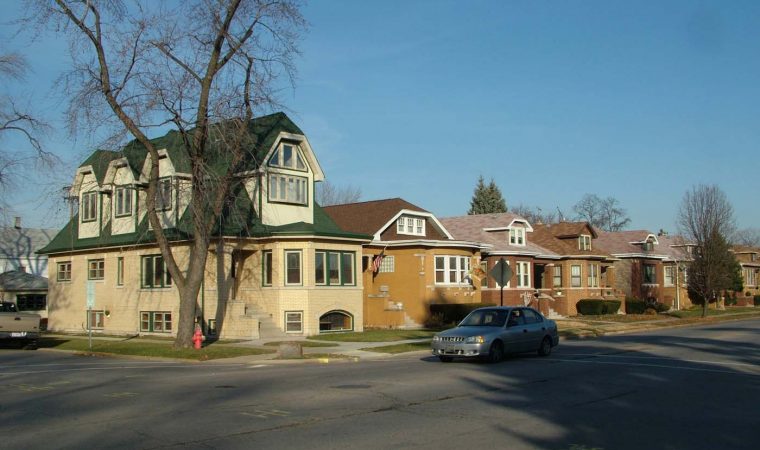
One of the truisms in the heritage conservation field is that buildings are preserved in two economic conditions: wealth and poverty. With wealth you can reinvest in and maintain property in its original state; in poverty you lack the finances to demolish or alter historic property. In the middle, the whims of temporal fashion and a modicum of money lead to constant alterations that destroy a property’s integrity, while the spasms of economic opportunism foster removal and replacement. Continue Reading
Urban Renewal Returns!
Chicago is socked with its biggest snowstorm since 1999, and it seems we have been socked with big snows weekly all winter long. But we are also being blanketed with development. Well, development PLANS…
Developer Jerry Fogelson on his $4 B development near McCormick Place: “It’s the only vacant piece of land on Lake Shore Drive and it’s ugly. Our plan is to cover this entire area.” OOOOOKKK – works fine, unless it turns out ugly.
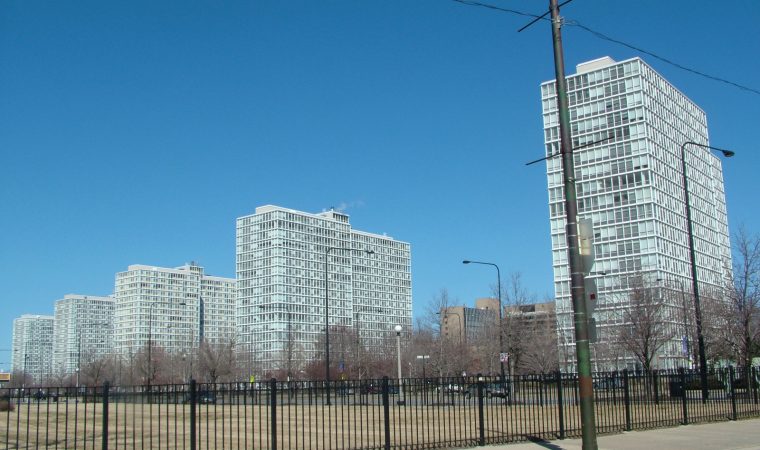
But it doesn’t end with the 23 acres between 14th and 22nd, because developer Draper and Kramer announced three weeks ago that they are redeveloping the 70-acre Lake Meadows complex between 31st and 35th Streets. This one is only a $1B development because they are demolishing the famous SOM towers built 50 years ago BY THE SAME DEVELOPER. The reasoning is also THE SAME as 50 years ago: gateway to the community, revitalize the area, etc. etc. And as much as preservationists and the general public lambasted the towers in the park – Lake Meadows and Prairie Shores were one of the SUCCESSFUL private urban renewal projects – even integrated, no small feat in 1960. Ira Bach’s guides to Chicago celebrated the modernist conceit of the highrise apartments by bragging that the buildings occupy only 10 per cent of the land, leaving 90 percent for open space…. Continue Reading
Place Identity
This weekend I led the Chicago Fire tour for the Chicago Historical Society as I have for the last four or five years. We follow the 4-mile long path of the fire, hearing eyewitness accounts and describing how it spread and what it destroyed.
The Fire is a central event to the civic identity of Chicago – it is one of the four stars on the city’s flag. When my Michelin editors came here a dozen years ago to begin work on the first Green Guide to Chicago, they commented on how Chicago people talked about the Fire as if it happened yesterday. That means the historic event has a central piece of the city’s identity.
This happens everywhere. Go to Ireland and the 1690 Battle of the Boyne was yesterday. Go to Atlanta and Sherman’s march ended last week. Parts of Paris are forever 1890 or 1850 and the 1770s trail through the streets of Boston. The Thais are still celebrating 200-year old victories over Burma and the Dai Viet recall a millennia-gone general who began a millennia of resistance against the Chinese. Continue Reading