
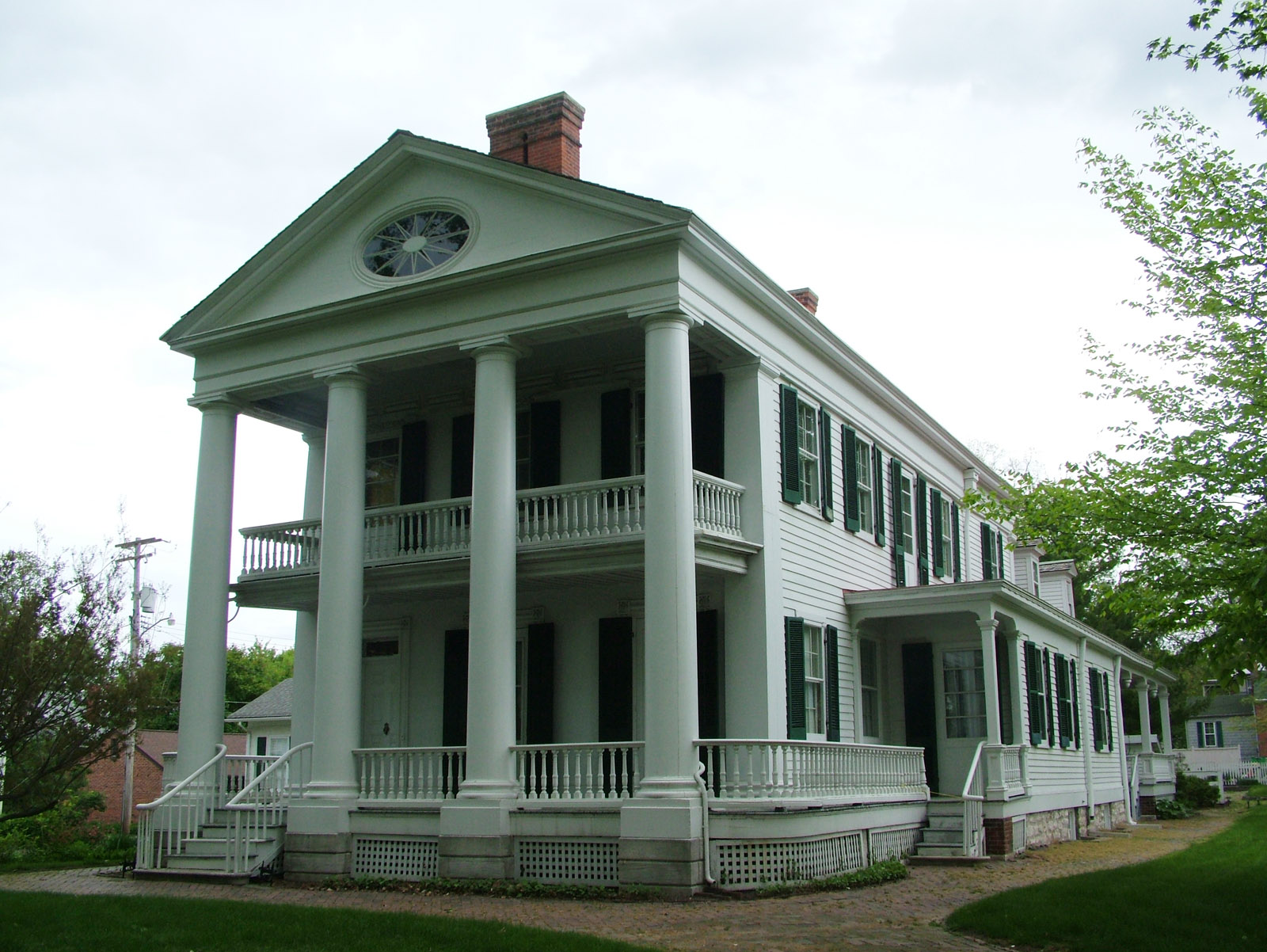
Last week I had the good fortune to be the invited speaker for Preservation Week in Quincy, Illinois, which has always been a preservation mecca. Why is it such a great town for preservation? One reason is evident in the dinner where I spoke – the Mayor, John Spring was there, along with 90 people or so. Another reason is historical – Quincy was a prosperous Mississippi river town that grew up during the high tide of Victorian and early 20th century architecture that was not overcome by late 20th century urban renewal and demolition mania. Another piece is proactive – an active and invested citizenry who saved important old landmarks like the Dr. Richard Eels House, a rare documented Underground Railroad site,
and the fabulous Greek Revival mansion of founding father John Wood, which is the classic local historical society story with the added feature of having been moved over a hedge of Osage Orange and looks no worse for the wear:
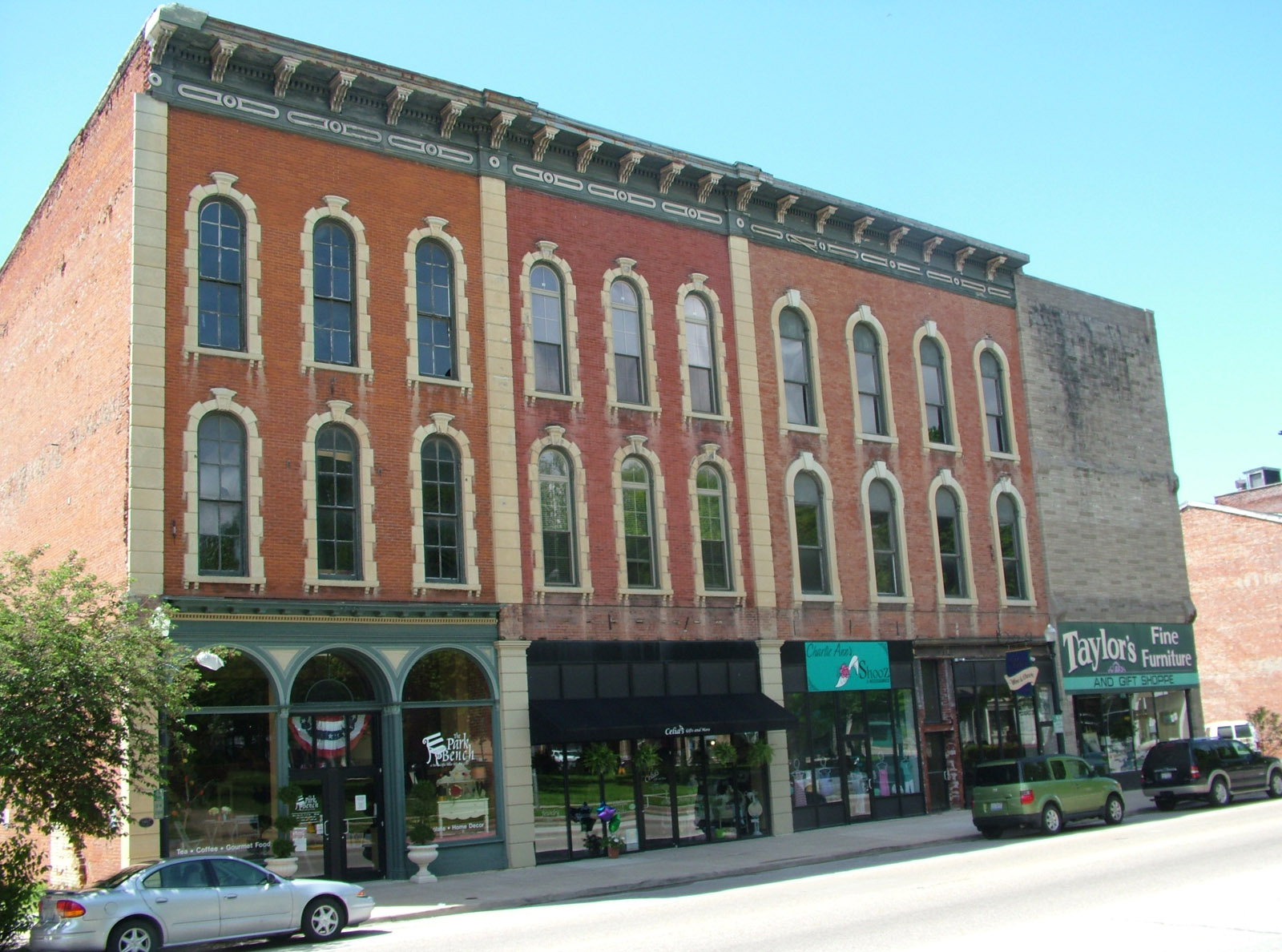
The main square is also intact, a site of one of the famous 1858 Lincoln Douglas debates and unlike so many of these squares, most of the historic buildings are still there.
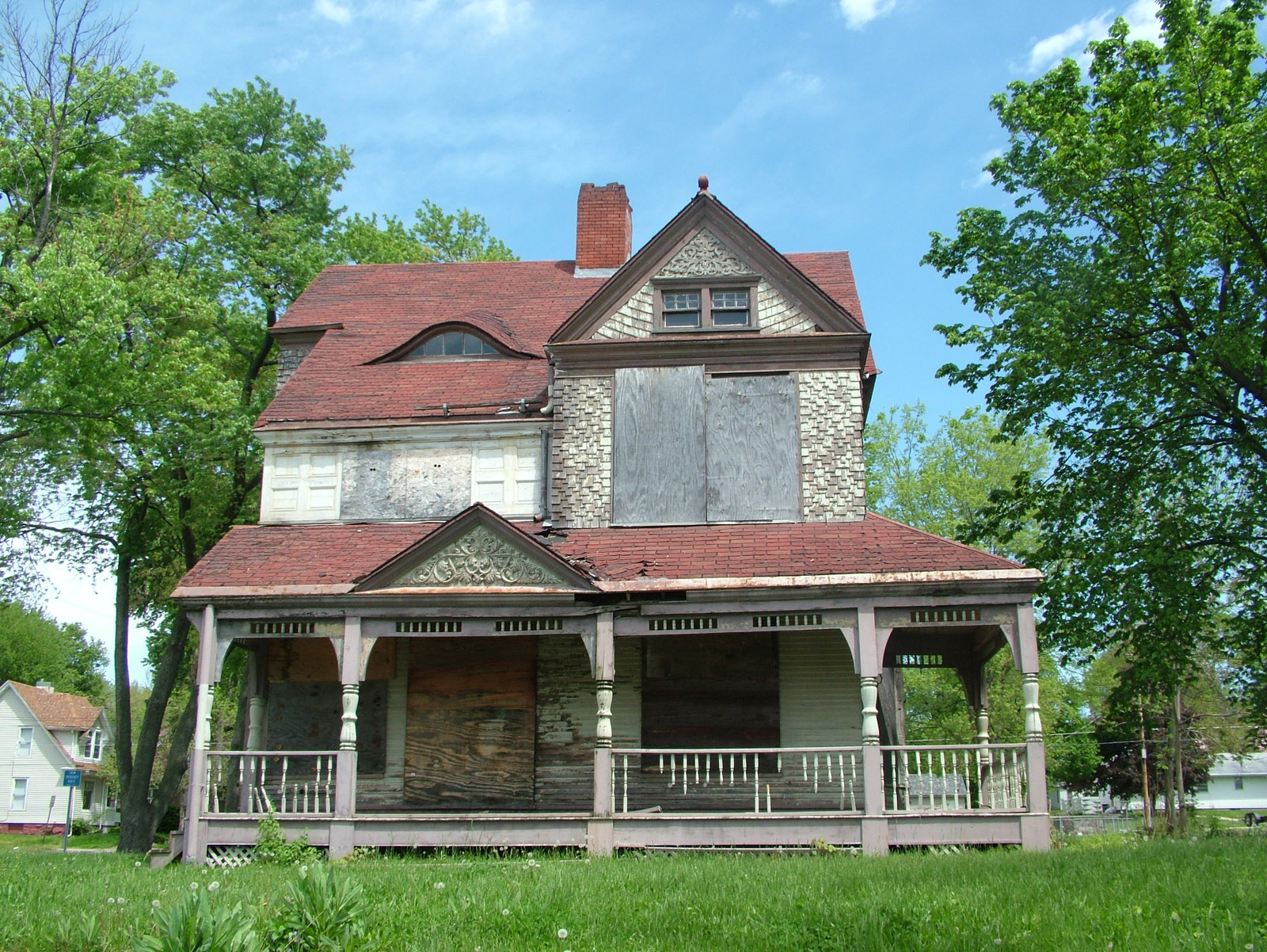
Quincy also has several historic districts, some prosperous and some struggling, but all with an incredibly intact fabric. You have buildings that are down on the heels, like this fabulous Shingle Style house, but they are STILL THERE.
It is a truism that preservation occurs either through wealth or poverty, but it recent years with the teardown phenomenon it has seemed that wealth is the greatest danger, with perfectly serviceable and sustainable buildings being tossed in the landfill for plastic fantastic palaces of pretension. Not in Quincy. The lovely East Side district has grand mansions arrayed along streets like Maine and Hampshire in a veritable architectural history textbook of styles, with almost no disturbing modern short-life buildings in between. Here’s a few:
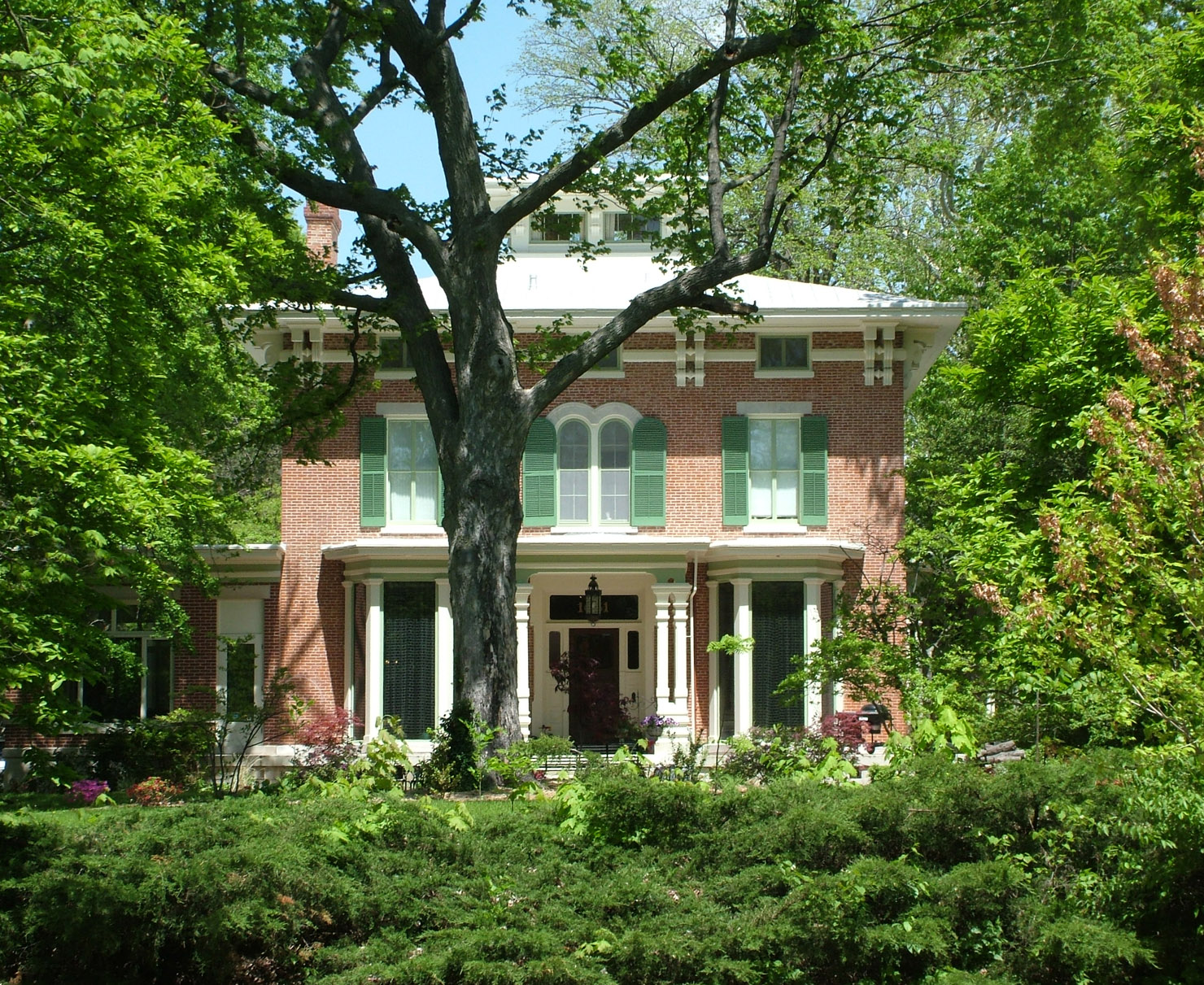
This is the Charles Bull House, largely an 1850s Italianate, with some modifications in the 1870s and 1920s.
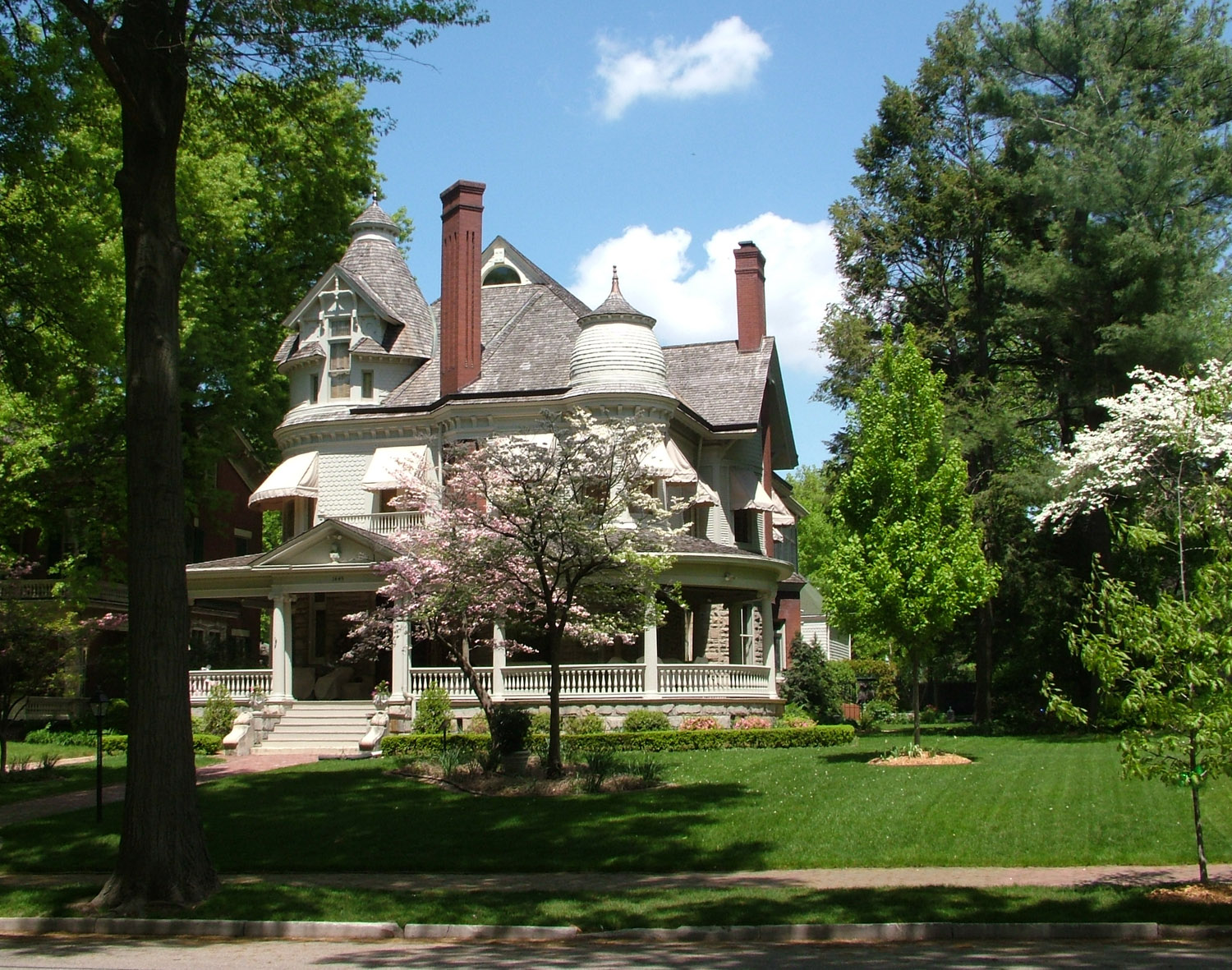
The sprawling Queen Anne Lesem House
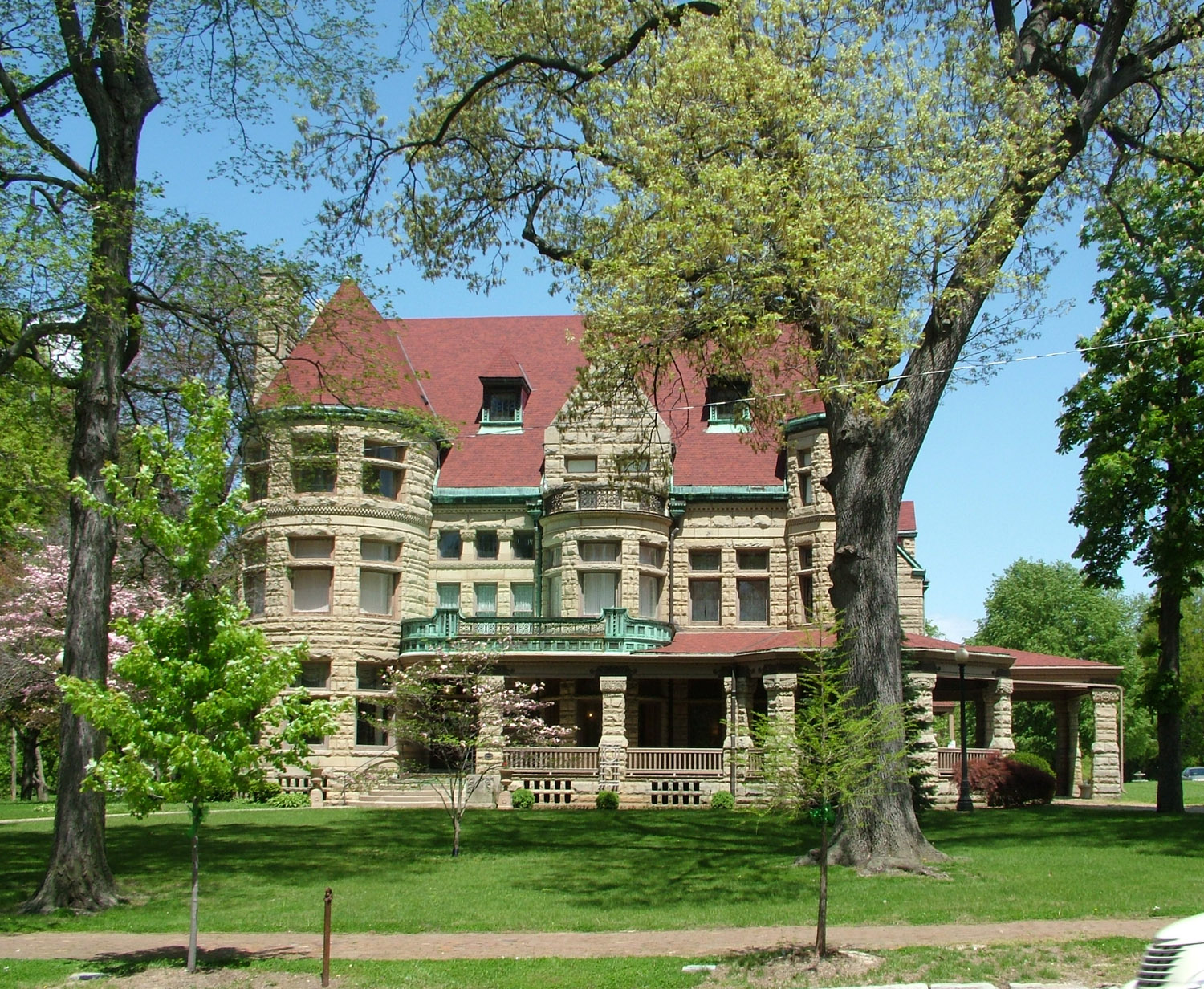
Here is the 1891 Newcomb House, a model of the Richardsonian Romanesque by Harvey Chatten, one of those local architects who were adept in the styles of the era. The world is better because these buildings are still around.
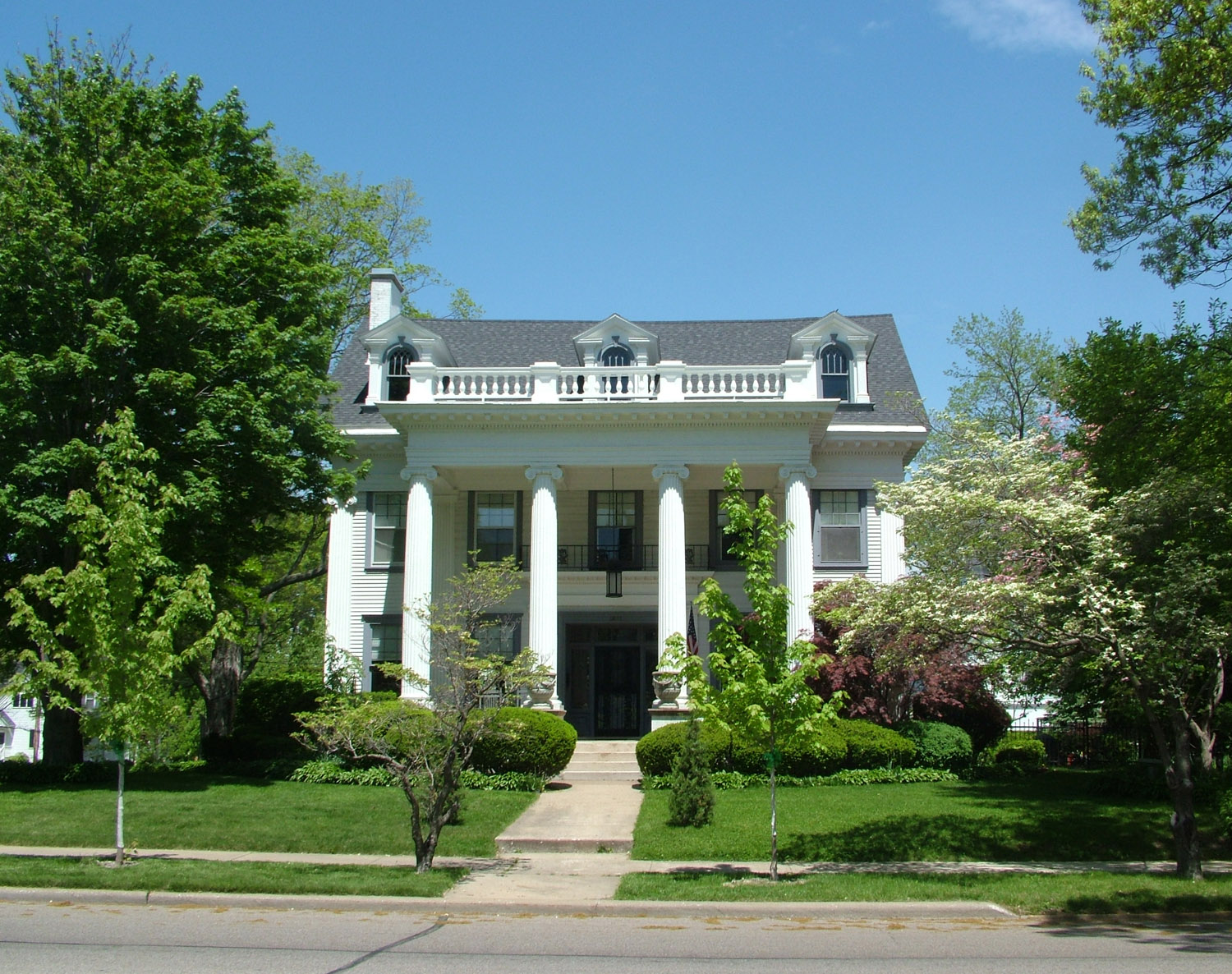
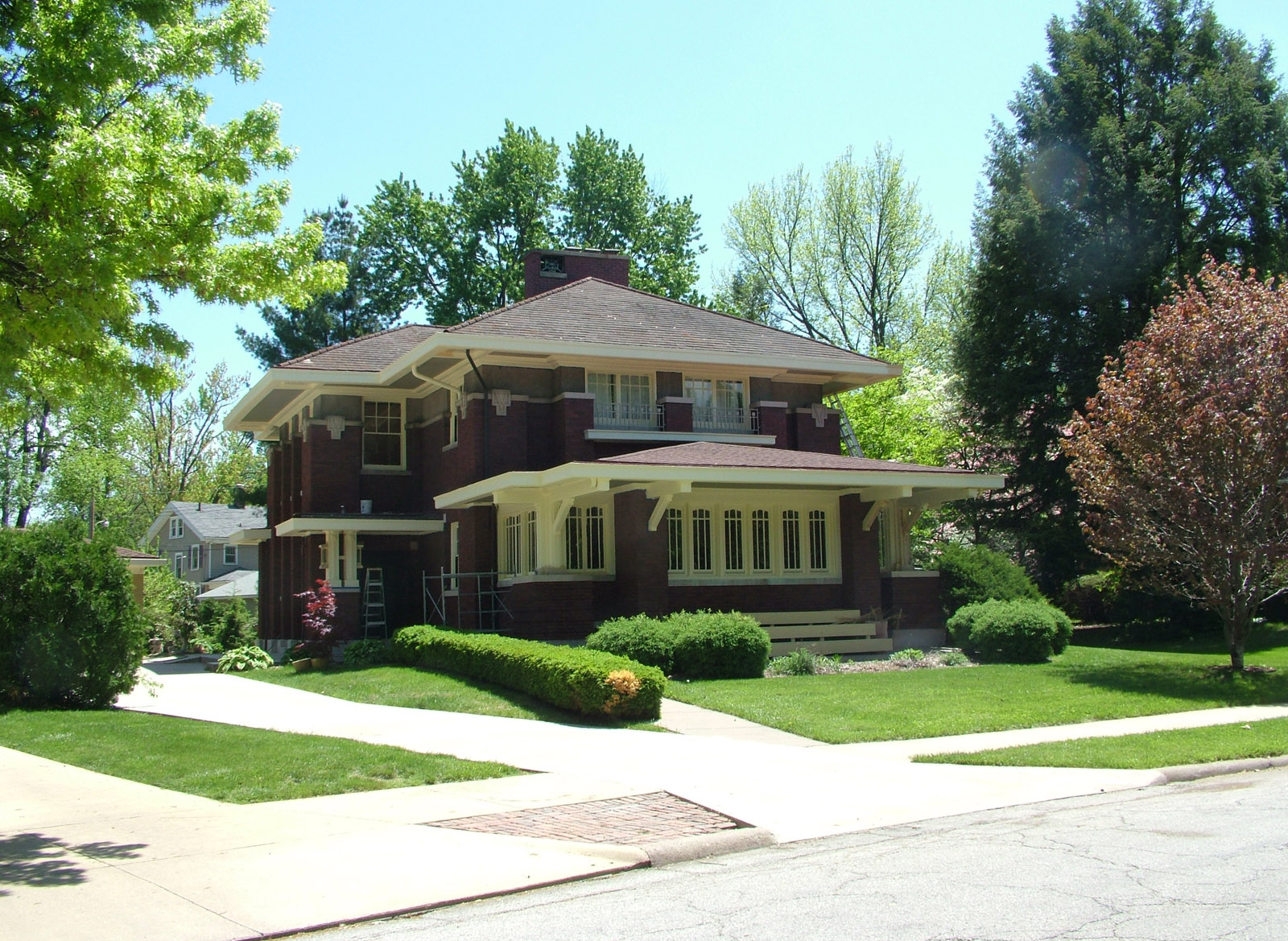
This is the Dashwood House, a 1902 Colonial Revival by another local architect, George Behrensmeyer. He reminds me of E.E. Roberts in Oak Park – who built five times as many buildings in that suburb as Frank Lloyd Wright. Several of Roberts’ Colonial Revival buildings survive in Oak Park from the turn of the century before he went with the modern Prairie tide that Wright had started. Roberts did his own Prairie house in 1911. Quincy’s Behrensmayer was the same:here is the house he designed for himself in 1917:
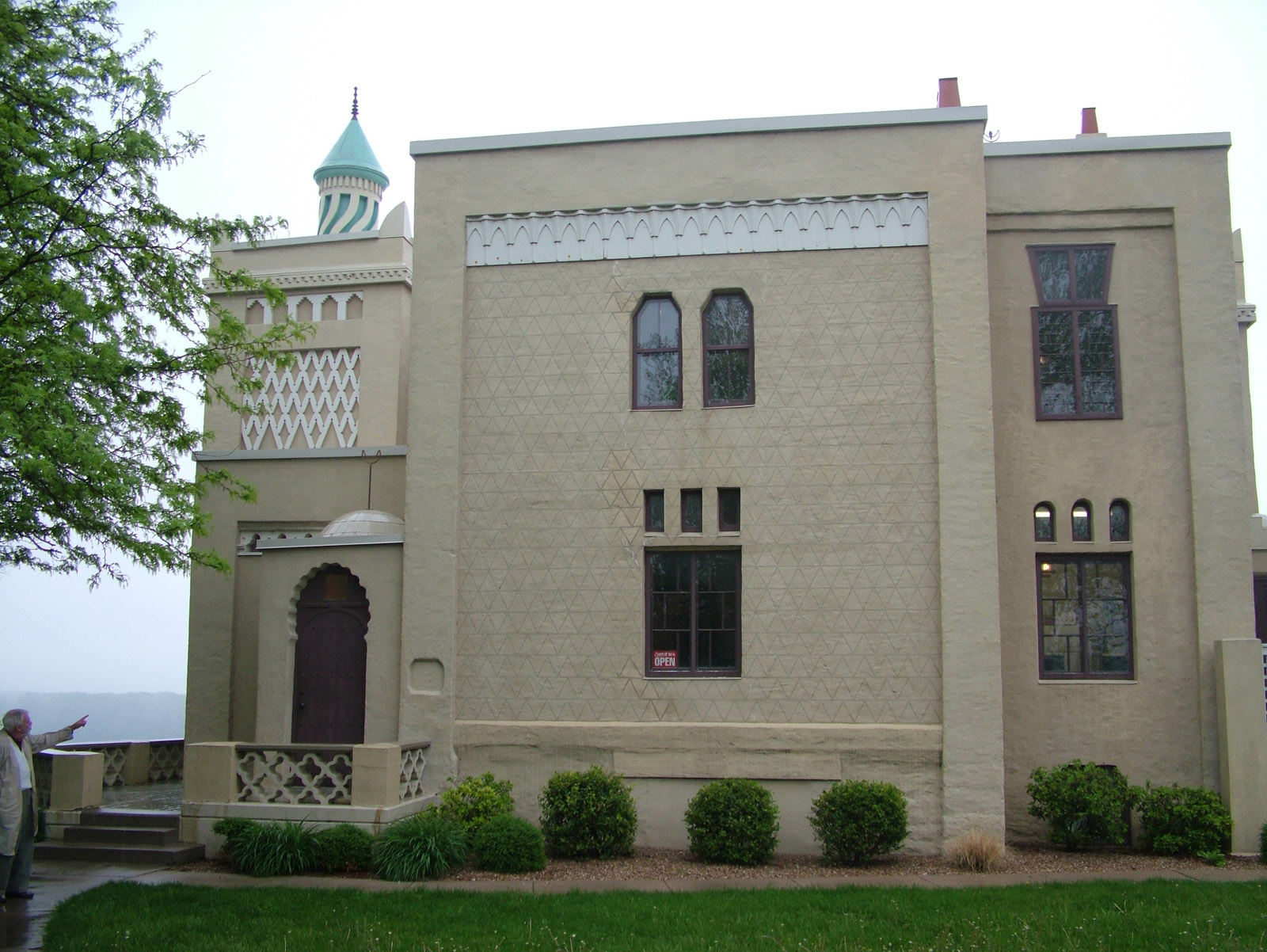
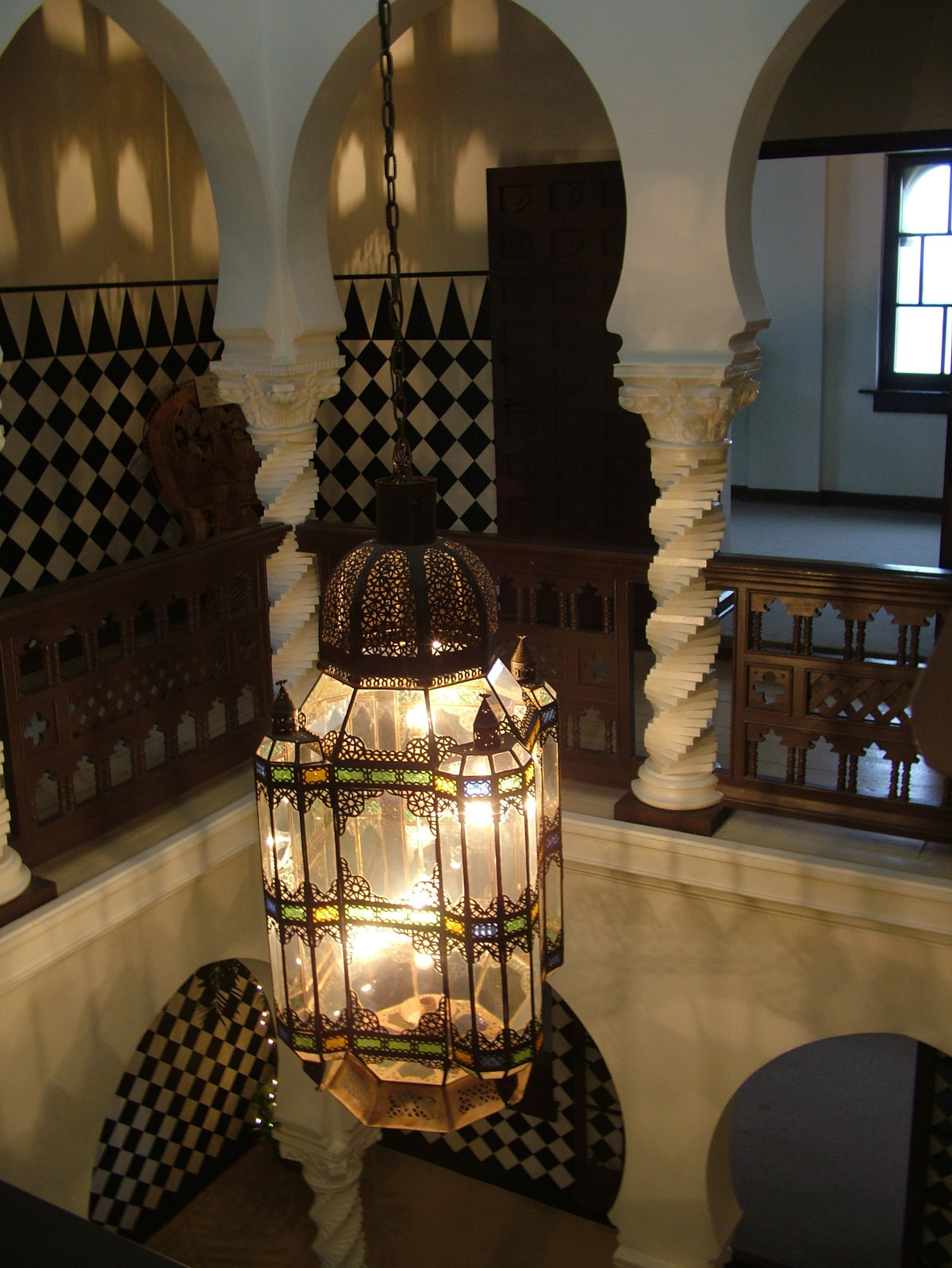
Preservation in Quincy has been a longstanding tradition supported by many individuals and organizations. I have to give a shout out to Janet Conover, Tom Fentem and especially Kirby Eber for taking so much time and energy to show me all over town and really take care of me. Kirby took me to see the Villa Katherine, an early 20th century Moorish fantasy house built by local eccentric Charles Metz.
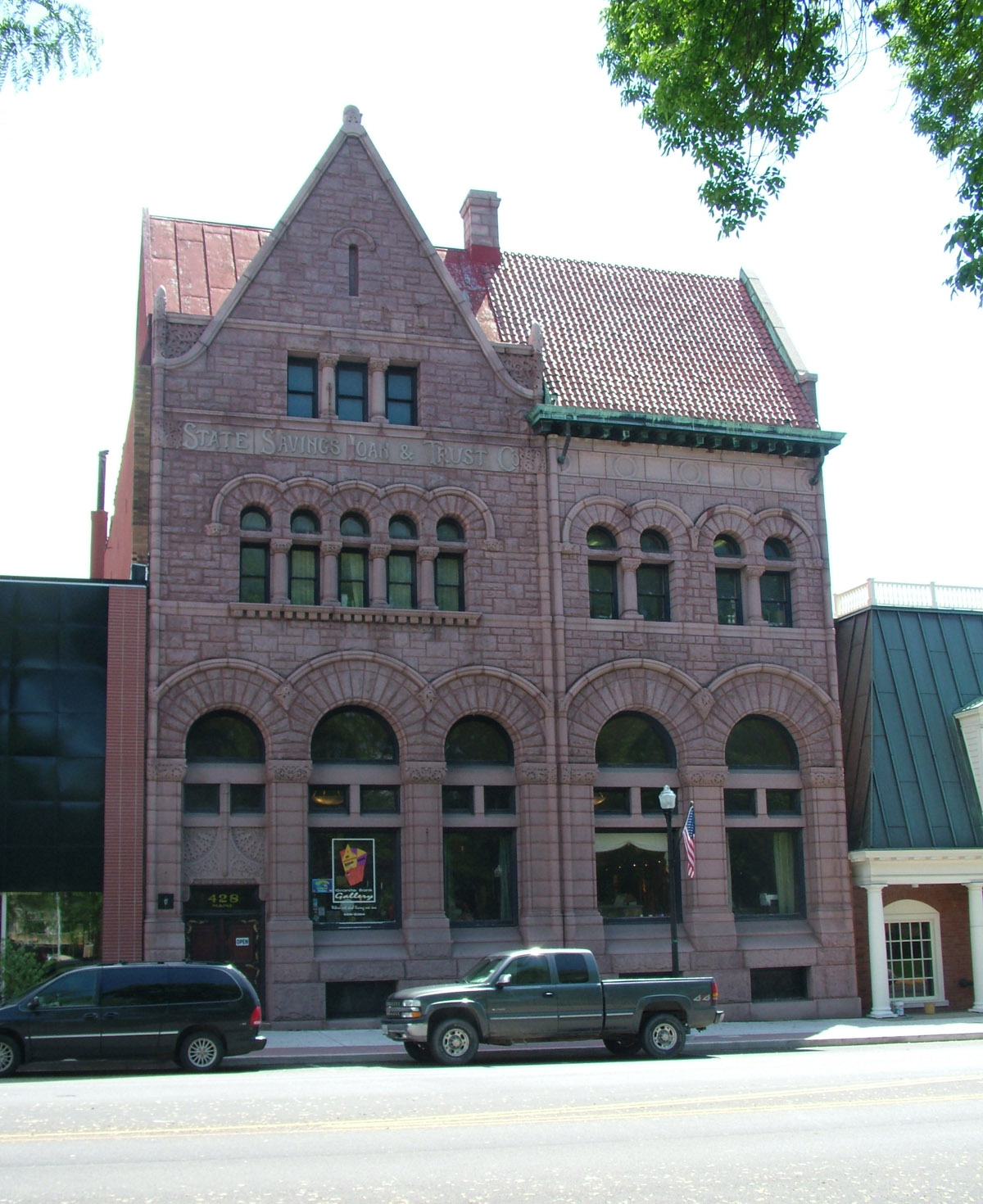
Downtown also features the former State Bank building saved by local preservation impresario George Irwin:
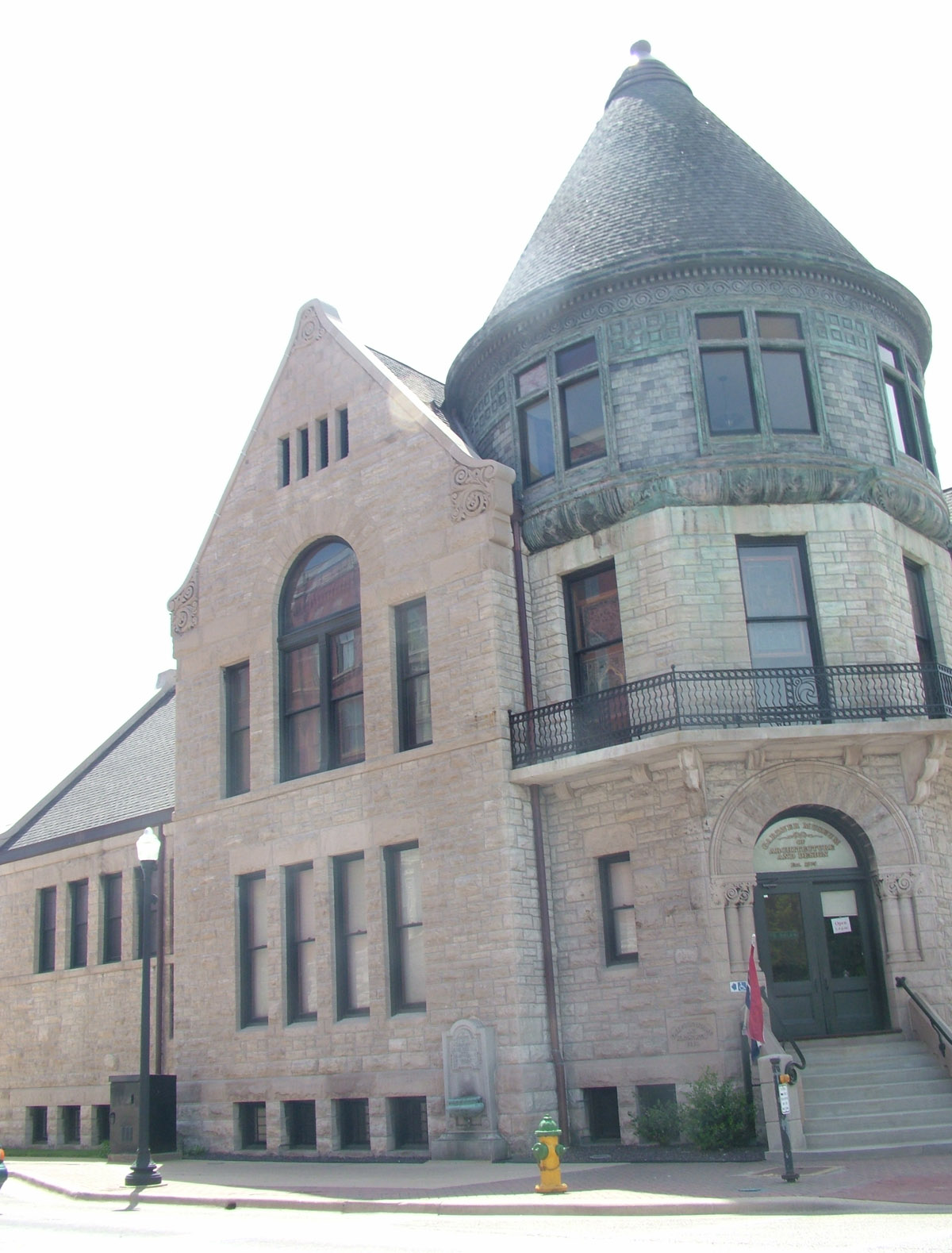
And of course the Gardner Museum of Architecture and Design in the former Patton & Fisher public library, also an 1890s Romanesque/Queen Anne gem:
But of course the beauty of preservation always lies in the particularity of place, not how it fits into national trends and styles and design schools, but those unique local expressions. For me those were the L-shaped and vaguely Federal cottages that lined streets in all of the districts and created a sense of place that was not interchangeable with other towns of the same period.
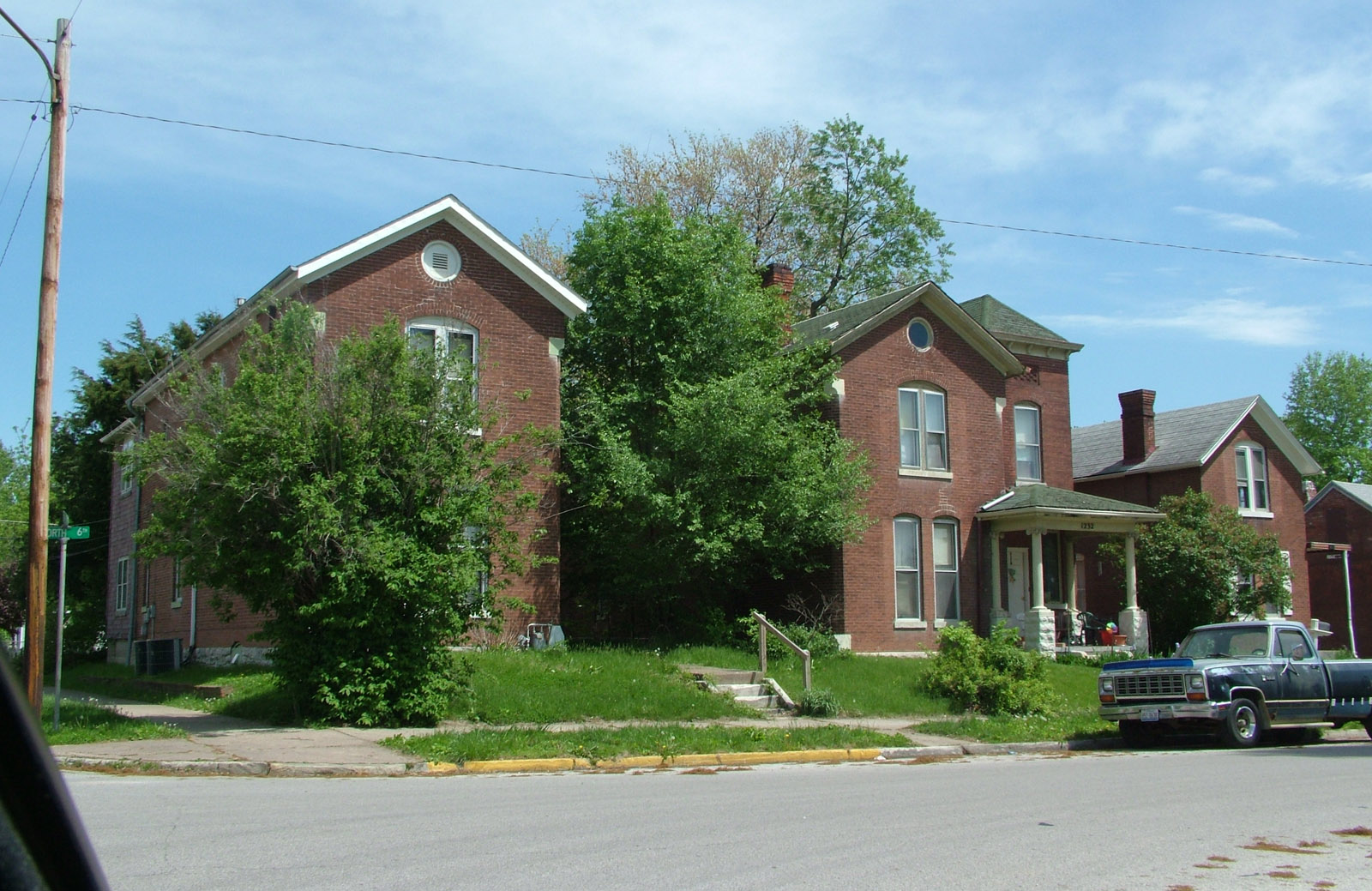
North side along 6th Street
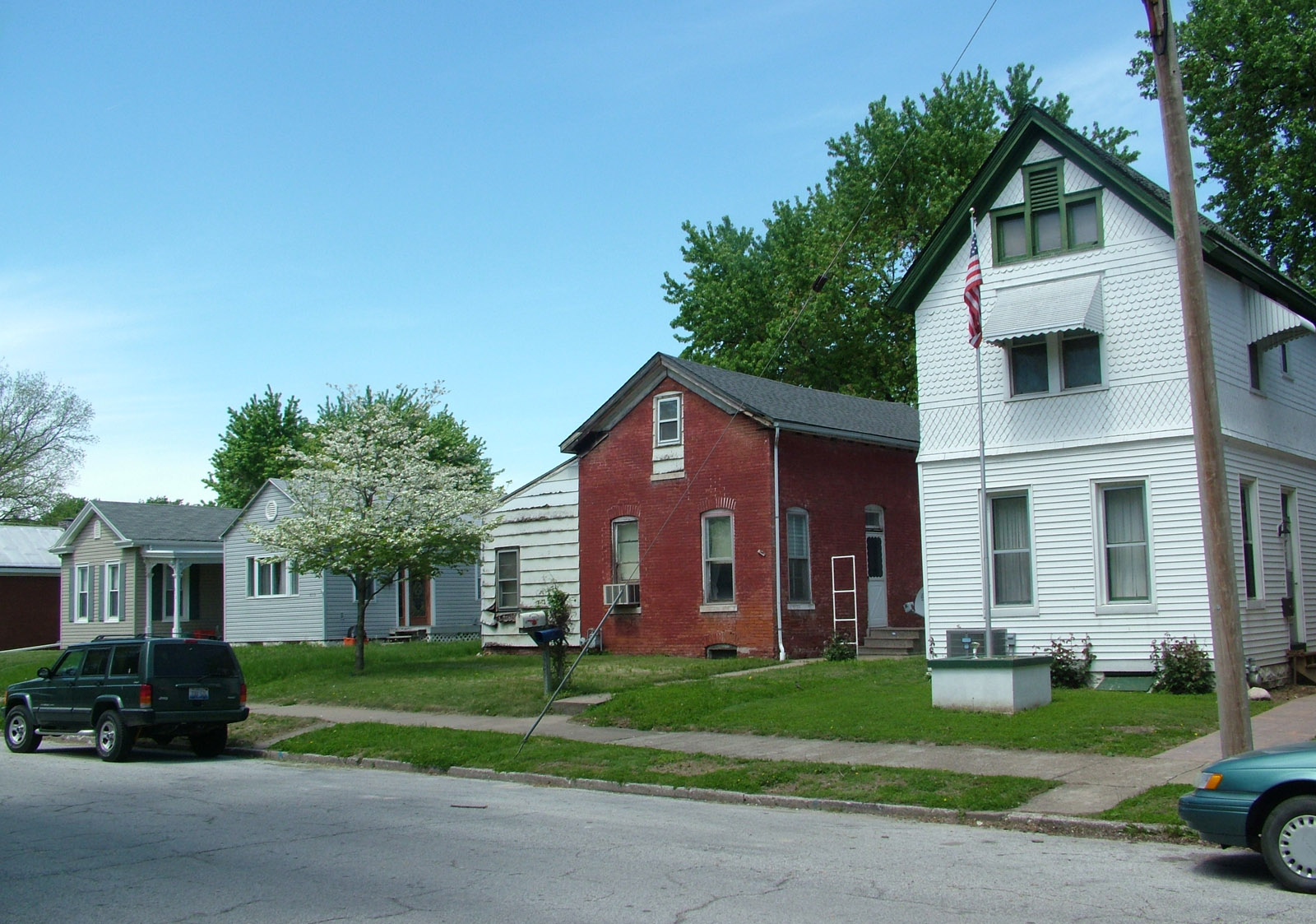
Adams Street in the German district
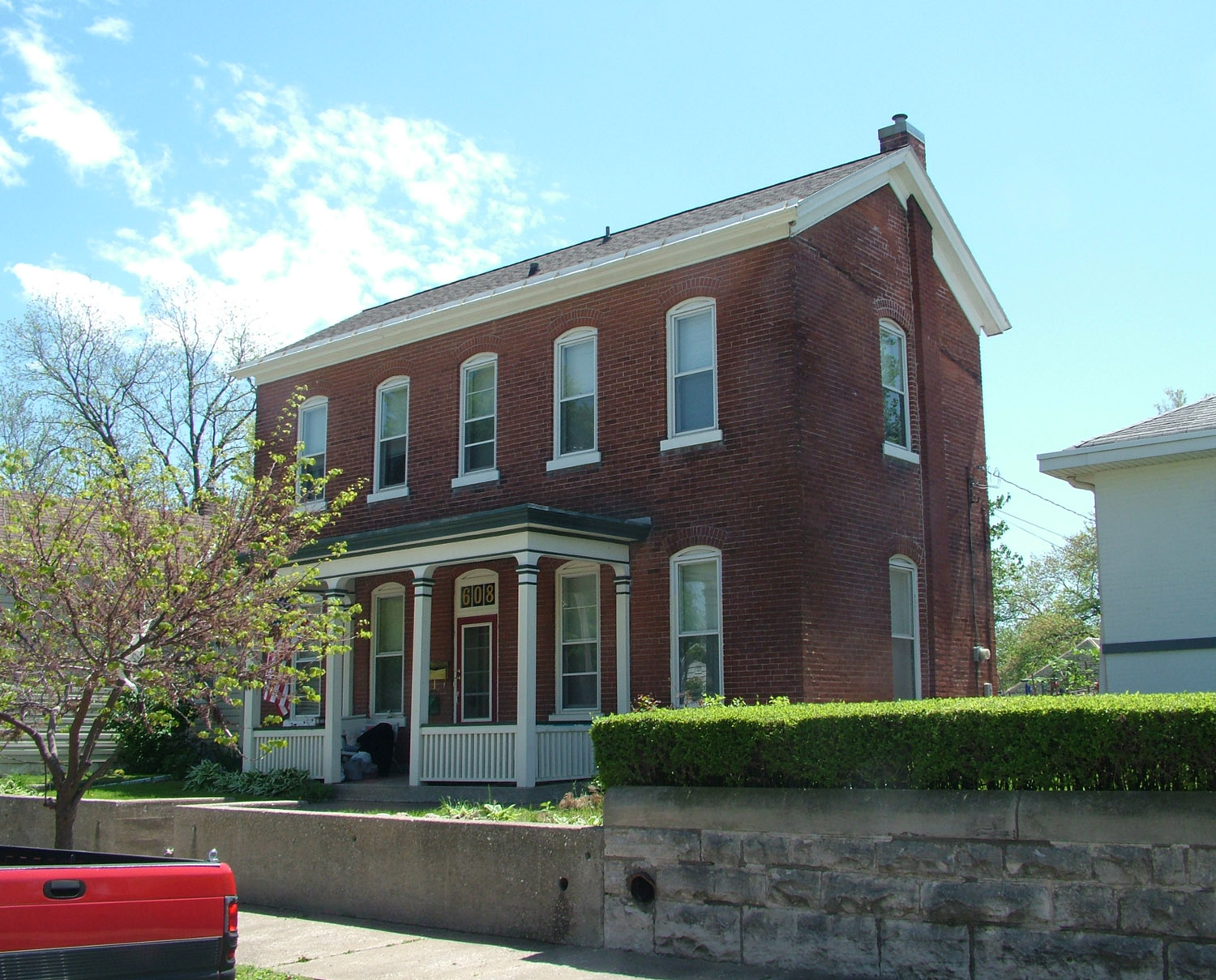
One of several I-houses found throughout town
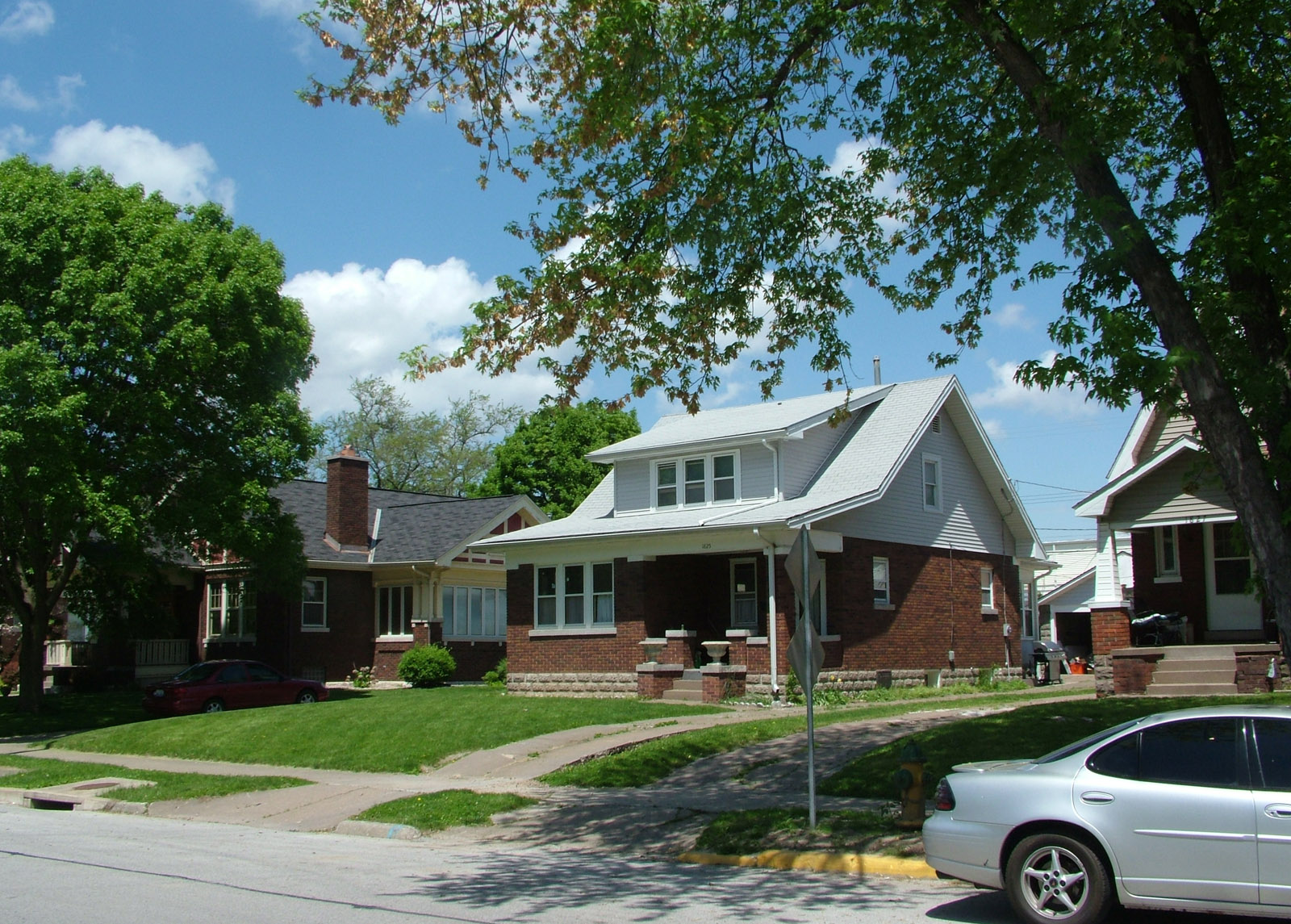
And one of the many bungalow areas.
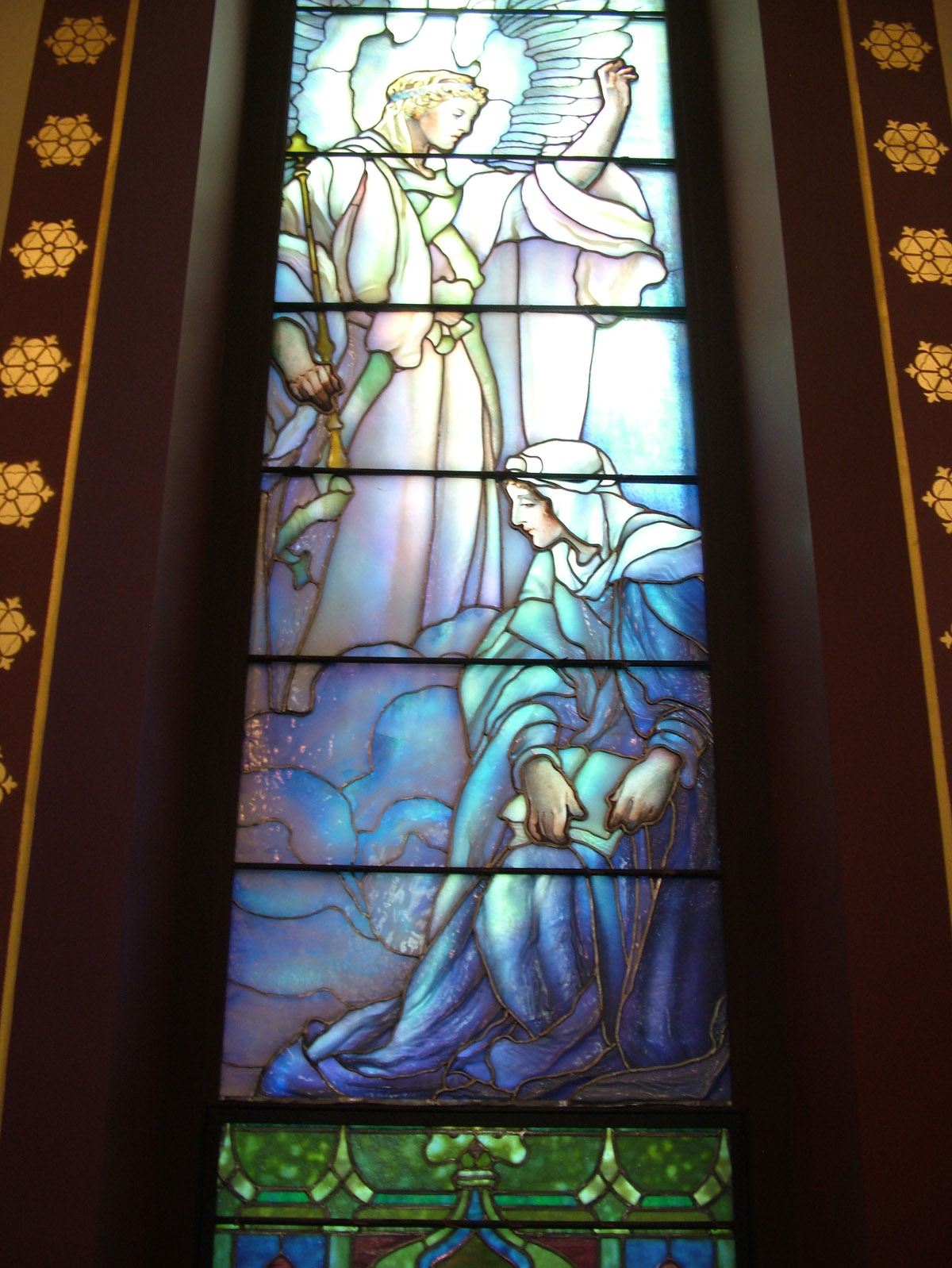
Kirby Eber took me into St. John’s Episcopal Church, which my friend Walker Johnson designed after a great fire destroyed much of the interior, although not two fabulous Tiffany windows, including this Annunciation:
I took 200 pictures and I could have taken more, but mostly I took a renewed appreciation for one of Illinois’ most architecturally resplendent towns. Everyone was so kind and they all asked me to come back again and I would be a fool not to.
Quincy appears to be a beautiful town with many architectural treasures. I especially like the Lesem house and the 6th street homes. Sort of wish we had it in Indiana so I could show it on my blog! Thanks for presenting it on your site.
Thank you so much for these beautiful photos. I am planning to move to Quincy next year and have been searching all day for examples of houses, such as you have posted here. How stunning!
Thank you so much. I cannot wait to visit Quincy and then make my permanent move.